Sustainable Urban Logistics in Hamburg: How ‘mammas canteen’ Redefines School Catering
Hamburg’s Baakenhafen neighbourhood is a blueprint for the future of city living. As a young, socially mixed district in HafenCity, it prioritizes green spaces, pedestrian-friendly streets, and emission-free transport. The district prioritises car-sharing schemes, public transport and cycling.
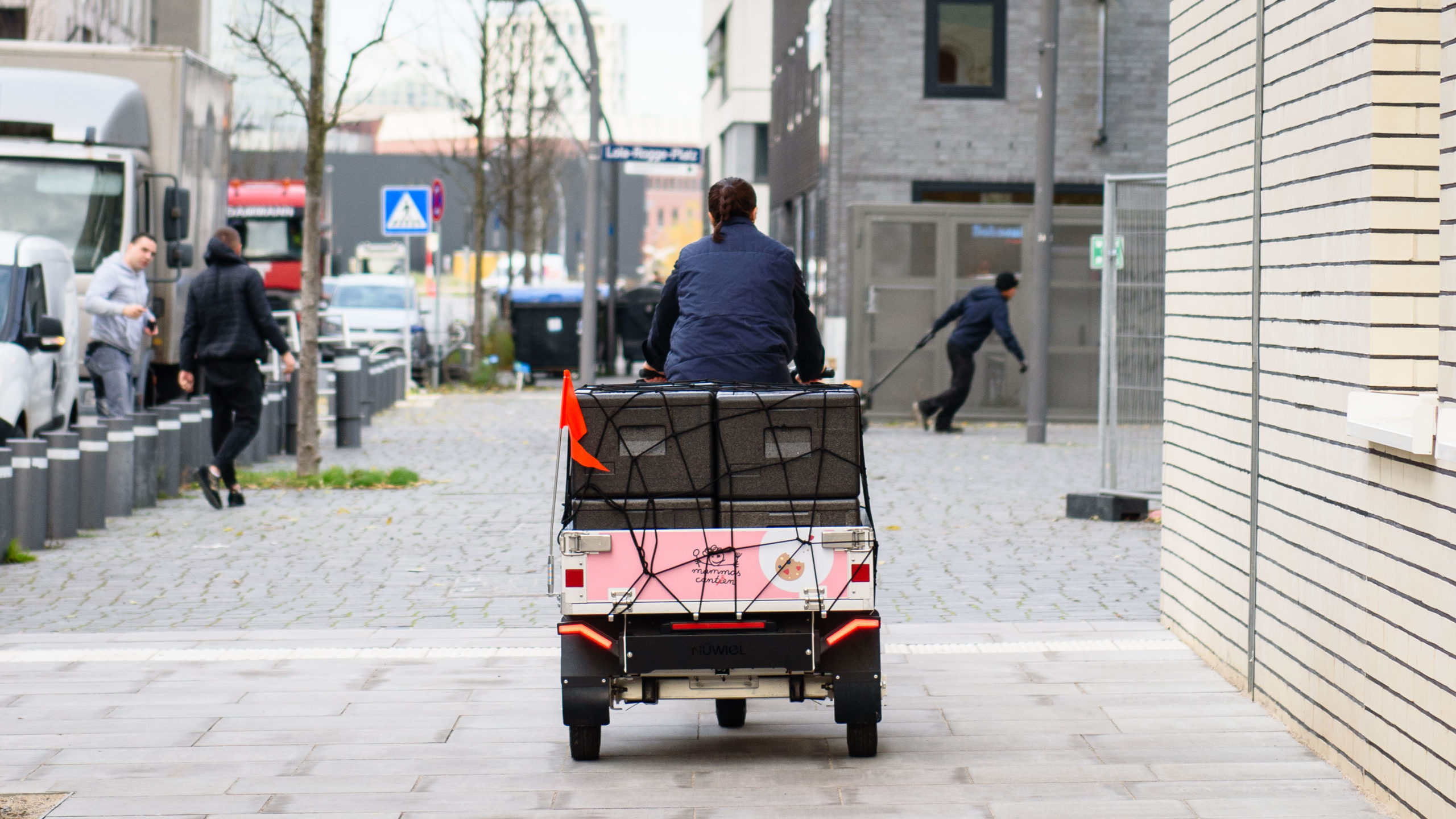
For mammas canteen, a catering company dedicated to providing fresh school meals daily across Hamburg, this modern environment presented a unique logistical puzzle. NÜWIEL had an opportunity to interview the founder and managing director of mammas canteen, Okan Saiti.
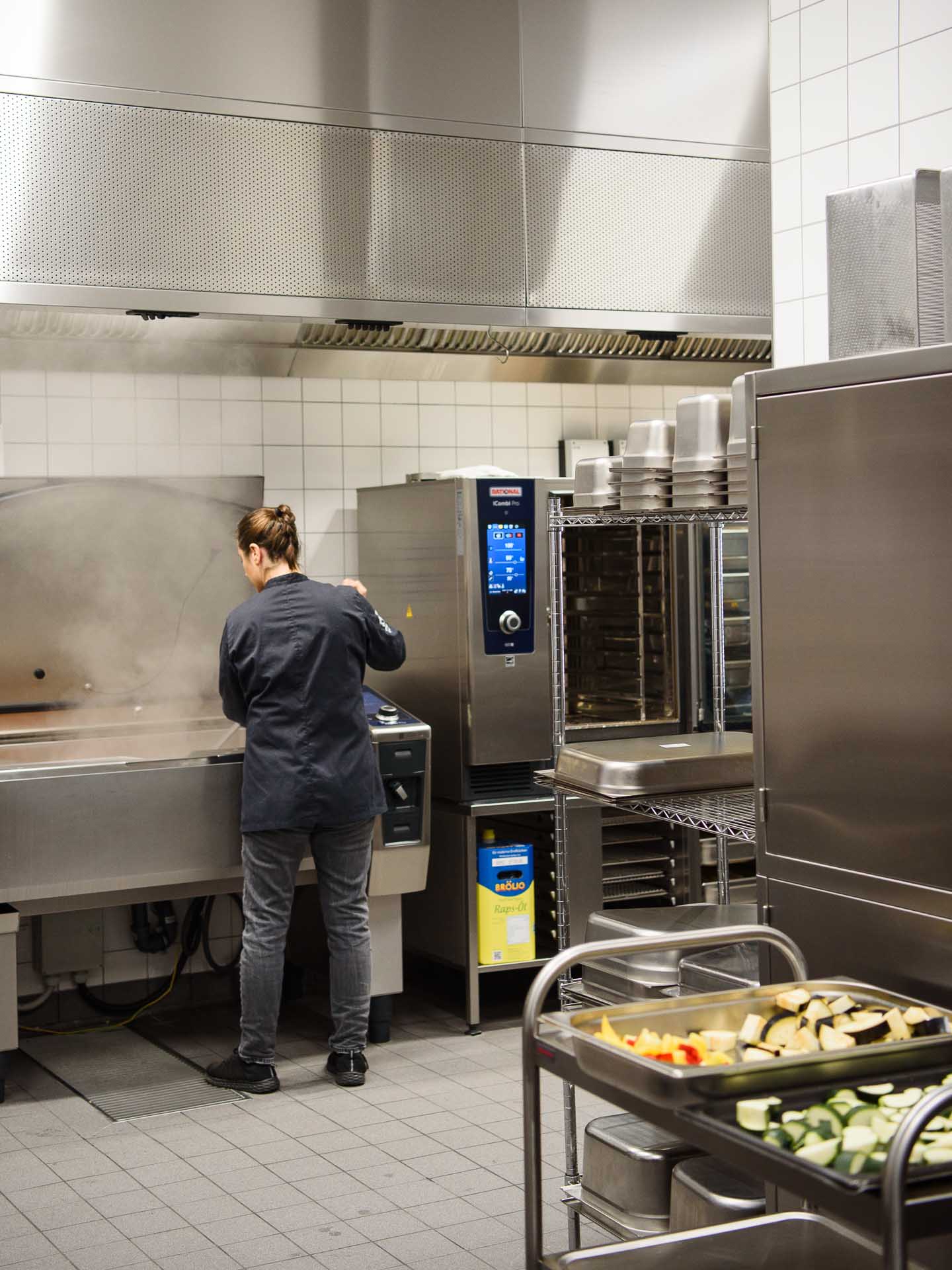
“My mother was the first chef at mammas canteen. These days, mammas canteen mainly provides school meals in Hamburg. We cook up to 25,000 fresh meals every day in decentralised locations in schools. Each school is self-sufficient, enabling us to cater to its specific requirements.”
“Actually, I never wanted to be a caterer. I had completely different plans. When I was at school in Hamburg, there was no all-day catering. I went to a sports-oriented secondary school and had long days due to the many afternoon sports lessons. As a student, I had to take care of the meal at school by myself. I stood for election as a school representative and set up a cafeteria. That’s how mammas canteen came about, ” shares Okan.
The Challenge: Freshness vs. Infrastructure
The core of the “mammas canteen” philosophy is decentralization. Unlike traditional industrial caterers, they cook on-site to ensure maximum freshness. A particular challenge arose when a second school in the neighbourhood needed to be supplied with warm meals but had no equipped kitchen on site.
So the solution was to prepare meals at another school located only 600 metres away and supply both.
In a low-car district like Baakenhafen, traditional delivery vehicles face major hurdles:
Extreme Parking Scarcity: Designated spots are rare and strictly enforced.
Traffic Delays: Temporary road closures can stall a delivery van for 20 min. for a short 2 min. trips.
Risk of Towing: “In the past, there were instances where the delivery vehicle was towed by Monday morning,” explains Okan.
The Solution: Electric Bike Cargo Solutions
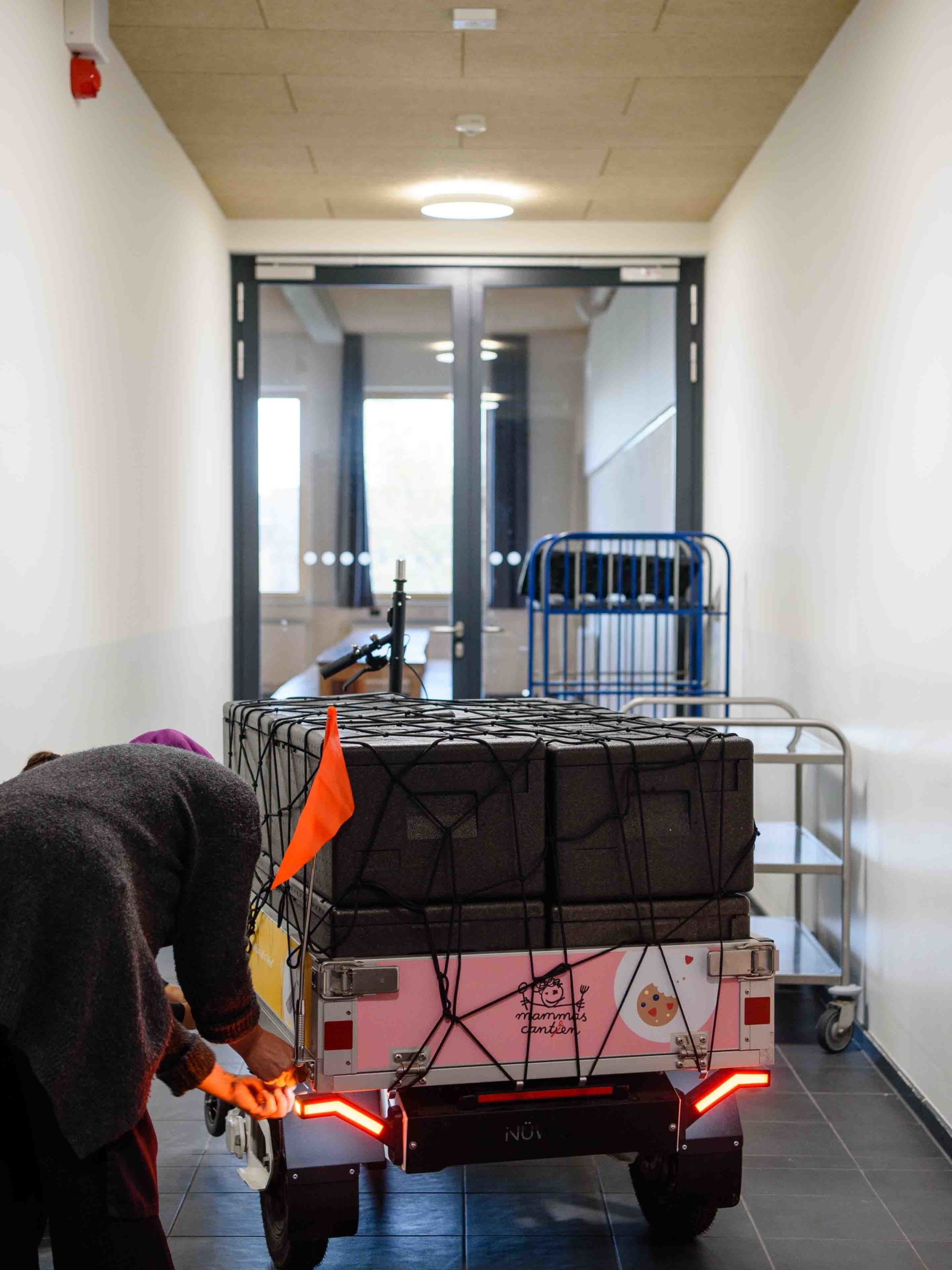
To bridge this “last-mile” gap, mammas canteen swapped the delivery van for an electric cargo trailer.
“Our focus is entirely on freshness. Essentially, we want to ensure that every school and every child is served freshly cooked food, rather than food that has been transported in boxes for hours on end.”
By using the NÜWIEL eTrailer, the team now transports freshly prepared meals in insulated containers via bicycle. The eTrailer helps businesses like mammas canteen to navigate the neighborhood’s narrow streets and pedestrian zones in just a few minutes. There is no need to search for parking and no risk of getting stuck in traffic. The eTrailer can then be safely stored inside the building, eliminating the risk of it being towed.
The change also brings economic benefits. The cost of ownership of the eTrailer is considerably lower than the ongoing costs associated with leasing and operating a larger delivery vehicle.
A Model for Modern Last-Mile Delivery
The success of this use case in HafenCity serves as a clear example of how urban logistics are evolving. In neighborhoods where parking space is a luxury, the electric cargo trailer provides a reliable, flexible, and quiet alternative.
“We stand out in a positive way, particularly here in HafenCity. A modern and environmentally sound mode of transport fits perfectly into this community. As a result, we receive consistently positive feedback from the school, the pupils and the teaching staff, and our own team is equally enthusiastic.”
Sustainable Urban Logistics in Hamburg: How ‘mammas canteen’ Redefines School Catering
Hamburg’s Baakenhafen neighbourhood is a blueprint for the future of city living. As a young, socially mixed district in HafenCity, it prioritizes green spaces, pedestrian-friendly streets, and emission-free transport. The district prioritises car-sharing schemes, public transport and cycling.
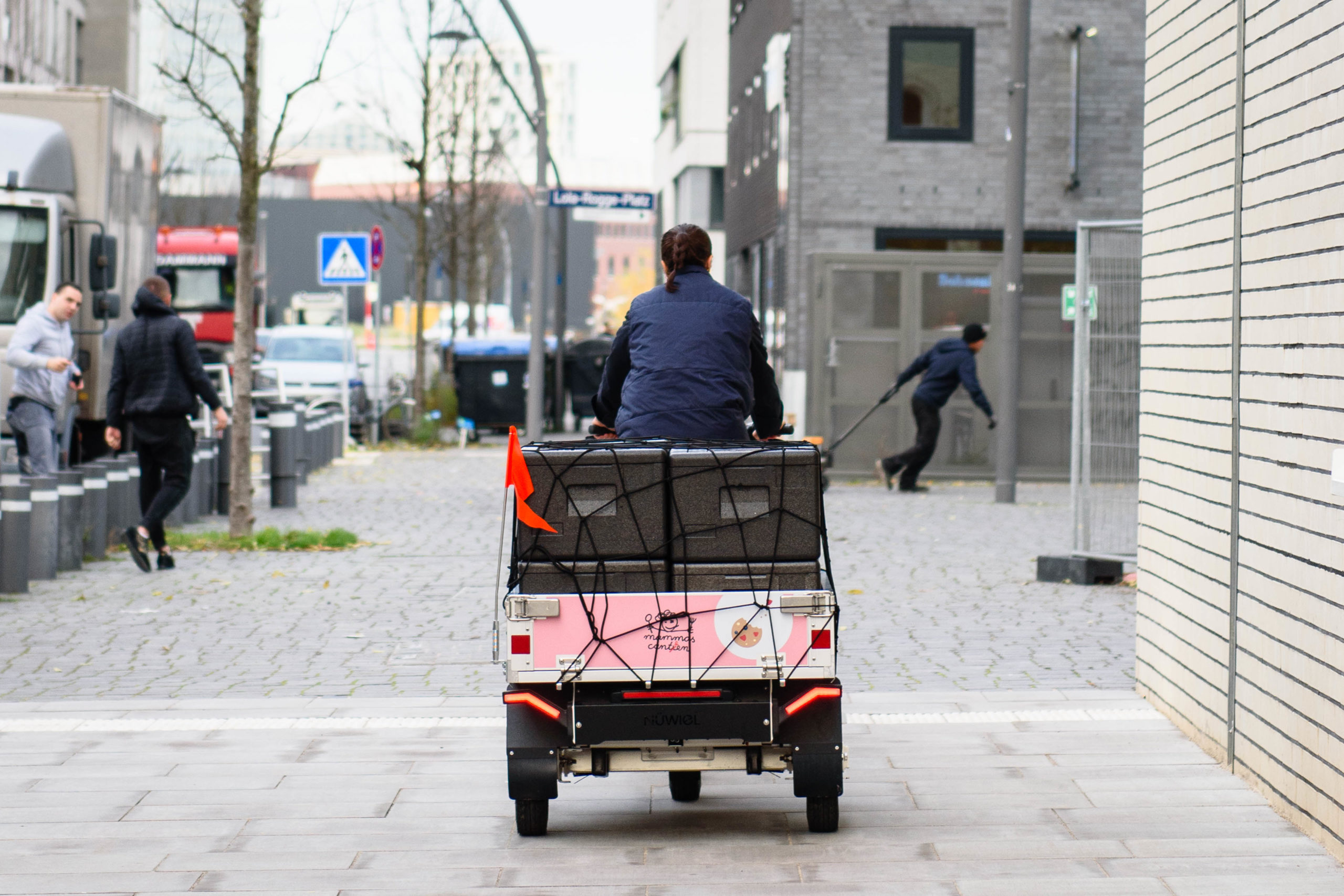
For mammas canteen, a catering company dedicated to providing fresh school meals daily across Hamburg, this modern environment presented a unique logistical puzzle. NÜWIEL had an opportunity to interview the founder and managing director of mammas canteen, Okan Saiti.
“My mother was the first chef at mammas canteen. These days, mammas canteen mainly provides school meals in Hamburg. We cook up to 25,000 fresh meals every day in decentralised locations in schools. Each school is self-sufficient, enabling us to cater to its specific requirements.”
“Actually, I never wanted to be a caterer. I had completely different plans. When I was at school in Hamburg, there was no all-day catering. I went to a sports-oriented secondary school and had long days due to the many afternoon sports lessons. As a student, I had to take care of the meal at school by myself. I stood for election as a school representative and set up a cafeteria. That’s how mammas canteen came about, ” shares Okan.
The Challenge: Freshness vs. Infrastructure
The core of the “mammas canteen” philosophy is decentralization. Unlike traditional industrial caterers, they cook on-site to ensure maximum freshness. A particular challenge arose when a second school in the neighbourhood needed to be supplied with warm meals but had no equipped kitchen on site.
So the solution was to prepare meals at another school located only 600 metres away and supply both.
In a low-car district like Baakenhafen, traditional delivery vehicles face major hurdles:
- Extreme Parking Scarcity: Designated spots are rare and strictly enforced.
- Traffic Delays: Temporary road closures can stall a delivery van for 20 min. for a short 2 min. trips.
- Risk of Towing: “In the past, there were instances where the delivery vehicle was towed by Monday morning,” explains Okan.
The Solution: Electric Bike Cargo Solutions
To bridge this “last-mile” gap, mammas canteen swapped the delivery van for an electric cargo trailer.
“Our focus is entirely on freshness. Essentially, we want to ensure that every school and every child is served freshly cooked food, rather than food that has been transported in boxes for hours on end.”
By using the NÜWIEL eTrailer, the team now transports freshly prepared meals in insulated containers via bicycle. The eTrailer helps businesses like mammas canteen to navigate the neighborhood’s narrow streets and pedestrian zones in just a few minutes. There is no need to search for parking and no risk of getting stuck in traffic. The eTrailer can then be safely stored inside the building, eliminating the risk of it being towed.
The change also brings economic benefits. The cost of ownership of the eTrailer is considerably lower than the ongoing costs associated with leasing and operating a larger delivery vehicle.
A Model for Modern Last-Mile Delivery
The success of this use case in HafenCity serves as a clear example of how urban logistics are evolving. In neighborhoods where parking space is a luxury, the electric cargo trailer provides a reliable, flexible, and quiet alternative.
“We stand out in a positive way, particularly here in HafenCity. A modern and environmentally sound mode of transport fits perfectly into this community. As a result, we receive consistently positive feedback from the school, the pupils and the teaching staff, and our own team is equally enthusiastic.”